
Why Build a Custom Home in Brunswick County, North Carolina?
-
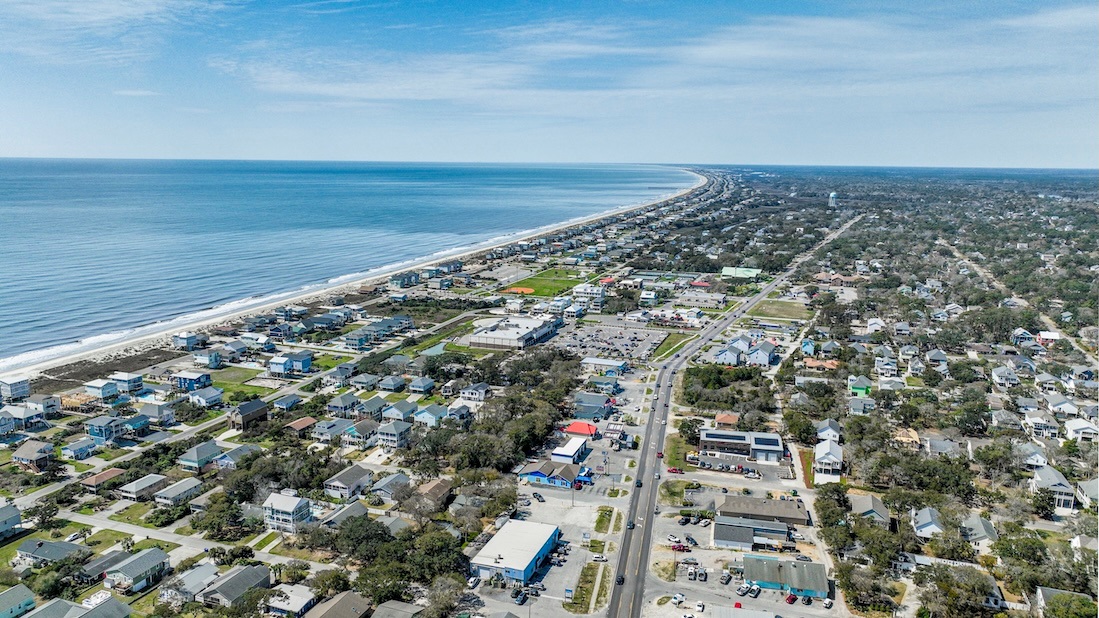
Brunswick County offers something many homeowners are looking for: access to the coast, a range of community settings, and the ability to build a home around the way they want to live.
-
From Leland and Southport to Oak Island and quieter inland areas, the county provides several options for retirement, family life, remote work, and long-term living.
-
Building a custom home in Brunswick County also gives you more control over the layout, materials, comfort, and coastal considerations that matter on your specific homesite.
-
The key is choosing the right location and planning the home around the property rather than treating every lot the same.
-
When you are ready to discuss your lot and project goals, use our contact page to start the conversation.
Why are so many people choosing Brunswick County?
Brunswick County has grown quickly in recent years. According to the U.S. Census Bureau’s Brunswick County population estimates, the county’s population increased significantly during the first half of the decade. That growth reflects the area’s appeal to retirees, working professionals, families, and people relocating from other parts of the country.
But growth alone does not explain why people want to live here.
Brunswick County offers a combination of coastal access, small-town communities, established neighborhoods, golf communities, wooded homesites, and developing areas closer to Wilmington. Homeowners can choose a setting that feels connected and convenient or one that provides more space and privacy.
That variety is one of the county’s greatest strengths. A homeowner does not have to choose between one specific version of coastal living. The area includes:
-
Beach communities and barrier islands
-
Historic towns and waterfront areas
-
Golf and planned communities
-
Neighborhoods near shopping and medical services
-
Larger inland properties
-
Growing communities with convenient access to Wilmington
The right location depends on how you expect to live each day, not simply how close the property is to the water.
What types of lifestyles work well in Brunswick County?
Brunswick County can support several different lifestyles because its communities are not all alike.
Someone who wants to be near Wilmington may look toward Leland, Belville, or northern Brunswick County. A homeowner interested in a slower coastal setting may prefer Southport, Oak Island, Holden Beach, Ocean Isle Beach, or nearby mainland communities. Others may prioritize space, privacy, or access to major roads over direct proximity to the beach.
Before choosing where to build, think through the routines that will shape your week:
-
How often will you travel into Wilmington?
-
Do you want to walk or bike within your community?
-
Is access to the beach a daily priority or an occasional benefit?
-
How close do you want to be to shopping and healthcare?
-
Would you prefer a neighborhood with amenities or a more private homesite?
-
Do you expect frequent visits from children, grandchildren, or overnight guests?
A place can look appealing during a weekend visit but feel different once you consider everyday driving, errands, seasonal traffic, and long-term convenience.
Why does building custom make sense in Brunswick County?
A custom home allows the house to respond to both your lifestyle and the conditions of the property.
That matters in Brunswick County because homesites can vary significantly. Two properties within the same general area may have different flood considerations, soil conditions, drainage patterns, setbacks, views, tree coverage, utility access, and neighborhood requirements.
Starting with the lot gives you an opportunity to make practical design decisions such as:
-
Positioning the home to make better use of natural light
-
Orienting porches and outdoor areas for shade and privacy
-
Planning around views, trees, and neighboring properties
-
Creating an entry that works with the driveway and road access
-
Adjusting the foundation or elevation to suit the site
-
Designing storage for beach equipment, bicycles, tools, or golf gear
-
Choosing an exterior that fits both the setting and the coastal climate
An existing plan can still be a useful starting point. The advantage comes from adapting that plan thoughtfully instead of forcing it onto a homesite where it does not fit.
You can explore BCG’s custom home floor plans to see different starting points for your project.
How can you design the home for long-term living?
Many people moving to Brunswick County are planning a home they expect to enjoy for many years. That makes long-term comfort just as important as appearance.
A custom home can account for changing needs without making the house feel institutional or overly specialized. Often, the most helpful decisions are simple ones made early in the design process.
Consider features such as:
-
A primary bedroom on the main floor
-
Wider pathways through frequently used rooms
-
A low-threshold or curbless primary shower
-
Convenient access between the garage, kitchen, and pantry
-
A flexible room that can serve as an office, guest room, or hobby space
-
Storage located where items are actually used
-
Comfortable outdoor living areas with shade and weather protection
-
Space for visiting family without adding rooms that remain unused most of the year
The goal is not necessarily to build a larger home. It is to create a home that remains comfortable, practical, and easy to maintain.
What should you consider about coastal conditions?
Living near the coast comes with responsibilities that should be considered during homesite evaluation and design.
Flood risk can vary from one property to another, including properties that appear close together. FEMA’s coastal flood maps identify flood-hazard areas and base flood conditions used in planning, regulation, and flood insurance. Brunswick County also provides local flood maps and property resources that homeowners can review when evaluating a property.
Flood zones are only one part of coastal planning. Homeowners should also consider:
-
Wind exposure
-
Drainage and stormwater movement
-
Salt air and corrosion
-
Moisture management
-
Roof shape and overhangs
-
Window and door specifications
-
Exterior materials and fasteners
-
Landscaping that works with the site
-
Backup power or storm-preparation needs
These decisions should be based on the specific location. A home near the ocean may face different exposure than a property farther inland, even though both are in Brunswick County.
How do Brunswick County locations compare?
The table below provides a general starting point. Individual properties and neighborhoods should always be evaluated separately.
|
Area or setting |
May appeal to homeowners who want |
Planning considerations |
|
Leland and northern Brunswick County |
Access to Wilmington, shopping, services, and growing communities |
Traffic patterns, neighborhood requirements, and future development |
|
Southport area |
Small-town character, waterfront access, and a slower pace |
Homesite availability, flood exposure, and community restrictions |
|
Oak Island and beach communities |
Close beach access and a coastal lifestyle |
Wind, salt exposure, elevation, flood requirements, and seasonal activity |
|
Shallotte and central Brunswick County |
Regional shopping access and proximity to several beach communities |
Travel routes, utility availability, and neighborhood location |
|
Inland or more rural homesites |
Privacy, more land, and distance from heavier coastal activity |
Well and septic needs, road access, soils, drainage, and service availability |
|
Planned or golf communities |
Amenities, maintained common areas, and neighborhood consistency |
Architectural guidelines, homeowners association requirements, and setbacks |
This comparison is not meant to label one area as better than another. It helps clarify which location may be better for your priorities.
What should you verify before moving forward with a homesite?
Owning a lot is an important step, but it does not automatically mean the property is ready for the home you envision.
Before design work advances too far, verify the factors that affect what and where you can build.
Property boundaries and setbacks
Confirm the legal boundaries of the property and understand the required setbacks. These determine the actual buildable area, which may be considerably smaller than the full lot.
Flood information
Review the applicable flood-zone information and any elevation requirements. Start with Brunswick County’s flood-map resources and the official FEMA flood-map system.
Zoning and jurisdiction
A Brunswick County mailing address does not always mean the property is regulated directly by the county. Properties inside a town or municipal jurisdiction may follow that municipality’s zoning and development rules.
The county’s Unified Development Ordinance generally applies to properties in unincorporated areas under Brunswick County’s jurisdiction.
Utilities and wastewater
Determine whether the lot has access to public water and sewer or will require a private well and septic system. Septic suitability can affect the number of bedrooms, placement of the home, and use of the property.
Community requirements
Review homeowners association rules, architectural guidelines, minimum square-footage requirements, exterior-material standards, and approval procedures.
Site access and preparation
Consider driveway placement, tree removal, grading, drainage, soil conditions, and the ability to bring construction equipment onto the property.
These are not merely permit issues. They can influence the design, construction approach, schedule, and overall project cost.
Is Brunswick County’s growth something homeowners should consider?
Yes. Growth creates both opportunities and practical planning questions.
The county’s Blueprint Brunswick 2040 Plan guides decisions related to future growth, infrastructure, land use, and community planning.
For homeowners, this means it is worth looking beyond what surrounds a lot today. Ask what nearby land is zoned for, whether roads may change, what developments have been approved, and how future growth could affect traffic, services, views, and privacy.
No one can predict every future change. However, reviewing available planning and development information can help you make a more informed decision.
What makes a Brunswick County home comfortable year-round?
A successful coastal home should work in more than one season.
Outdoor living is a major part of the appeal, but uncovered patios and porches can become uncomfortable during hot afternoons, rainy weather, or periods of heavy insect activity. Covered porches, screened spaces, ceiling fans, thoughtful orientation, and convenient access from the kitchen or main living area can make outdoor areas more usable.
Inside the home, comfort often comes from decisions that are less visible:
-
Good insulation and air sealing
-
Properly sized heating and cooling equipment
-
Humidity control
-
Window placement that balances views and heat gain
-
Durable flooring near exterior doors
-
A practical drop zone for wet shoes, towels, or outdoor equipment
-
Storage that keeps daily clutter out of the main living areas
These features may not be the most dramatic parts of a home tour, but they can have a major effect on everyday livability.
Is Brunswick County right for your custom home?
Brunswick County may be a strong fit when you want coastal access, a choice of community settings, and the ability to design a home around your long-term needs.
The county is not one uniform market. Building near Leland can feel very different from building near Southport, Oak Island, Shallotte, or an inland community. That is why the right decision begins with your lifestyle, your lot, and your priorities.
A well-planned custom home should respond to all three.
Frequently Asked Questions
Is Brunswick County a good place to retire?
Brunswick County appeals to many retirees because it offers coastal access, several community types, and options ranging from active neighborhoods to quieter homesites. The right area depends on your preferred pace, access to services, and long-term transportation needs.
Do all Brunswick County lots require flood insurance?
No. Flood-insurance requirements depend on the property’s flood zone, the type of financing, and other factors. Review the official flood information for the specific lot and speak with qualified insurance and lending professionals before making assumptions.
Can I use the same house plan on any Brunswick County lot?
Not necessarily. Setbacks, flood requirements, septic areas, drainage, community standards, and the shape of the property can all affect whether a plan will fit. It is usually better to evaluate the home and lot together.
Are building requirements the same throughout the county?
No. Requirements can vary depending on whether the lot is in an unincorporated county area, within a municipality, or inside a community with additional architectural guidelines.
Should I choose a floor plan before evaluating my lot?
You can begin gathering floor-plan ideas, but major design decisions should account for the property. The lot can influence the home’s footprint, garage placement, foundation, views, outdoor areas, and overall orientation.
Start Planning Your Brunswick County Home
Building in Brunswick County gives you the opportunity to create a home that fits both your property and the way you want to live.
Learn more about Brandon Construction Group, browse our custom home gallery, or review available floor plans. When you are ready to discuss your lot and project goals, use our contact page to start the conversation.