
How to Plan a Custom Home That Impresses 10-20 Years from Now
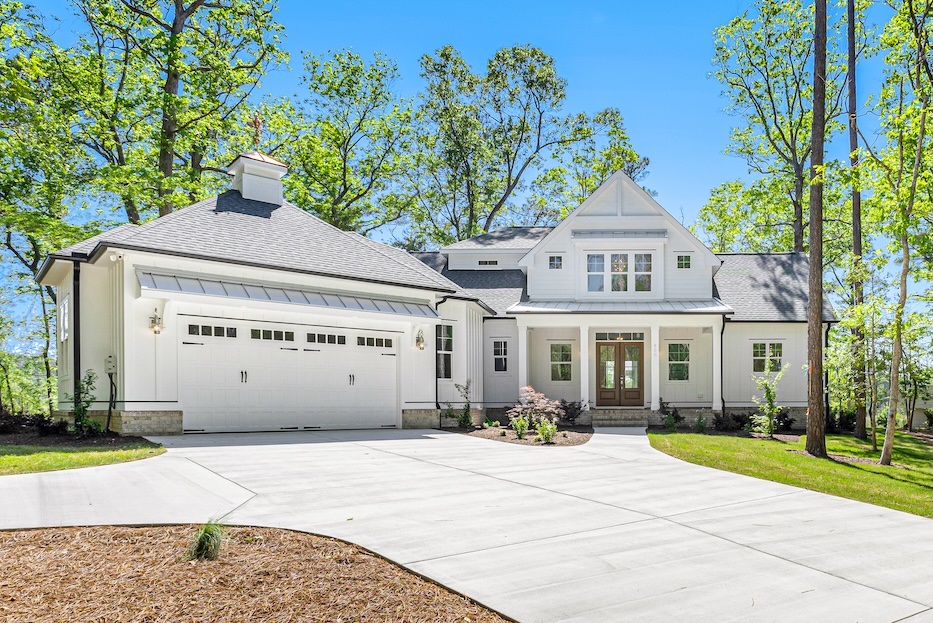
Quick Summary
-
Planning a custom home that still works 10 to 20 years from now comes down to thoughtful decisions early in the process.
-
Prioritizing simple design, flexible layouts, durable materials, and long-term comfort helps ensure your home continues to function well as your lifestyle changes.
-
The goal is not just to build a home that looks good today, but one that continues to feel natural, comfortable, and practical over time.
Why Long-Term Planning Matters More Than Most People Expect
When people begin planning a custom home, it is natural to focus on current needs.
What often gets overlooked is how much those needs can shift over time.
A home that feels perfect today can feel limiting later if it was not designed with flexibility in mind. Families grow, routines change, and priorities evolve. Planning ahead helps avoid that.
This is one of the main advantages of building a custom home. You have the ability to think beyond the present and create something that continues to work well into the future.
What Makes a Home Feel Timeless Instead of Dated
Some homes age well. Others begin to feel outdated surprisingly quickly.
The difference usually comes down to restraint.
Timeless homes rely on simple design, balanced proportions, and materials that age naturally rather than trend-driven choices.
If you want a practical breakdown of what holds up over time, this guide from the U.S. Department of Energy on durable home design and materials explains how material choices impact long-term performance and maintenance:
Durable materials like wood, stone, and high-quality finishes tend to age better and require less replacement over time.
How to Design a Layout That Adapts Over Time
One of the most important decisions in long-term planning is the layout.
Homes that continue to work well over time include spaces that are flexible. A room may serve one purpose today and something completely different in the future.
This is why flex spaces, thoughtful room placement, and balanced open layouts tend to perform better long term.
If you want to better understand how layouts evolve from ideas into functional homes, this guide explains how the design process typically comes together.
Planning for Comfort as You Age in the Home
Even if it is not an immediate concern, it is worth considering how the home will function later in life.
This often includes:
-
A primary bedroom on the main level
-
Minimal transitions between spaces
-
Wider hallways and doorways
-
Easy access to everyday living areas
The CDC’s home safety and aging guidance outlines how home design can support long-term mobility and safety.
Planning for this early allows the home to remain comfortable without requiring major changes later.
Why Storage Becomes More Important Over Time
Storage is one of the most underestimated aspects of a home when planning.
Over time, the need for organization increases. Homes that function well long term tend to include practical storage solutions built into the design.
Things like walk-in pantries, mudrooms, and dedicated storage areas reduce clutter and make daily life easier.
If you are thinking through layout decisions, it can help to see how storage is incorporated into real homes.
Natural Light and Connection to the Outdoors
Homes that feel comfortable long term often make good use of natural light.
Window placement, home orientation, and outdoor living spaces all contribute to how a home feels and performs.
This resource from the U.S. Department of Energy on passive solar home design explains how orientation and window placement can improve comfort and efficiency over time:
Even small decisions here can make a noticeable difference in how the home feels year-round.
A Simple Way to Think About Long-Term Planning
|
Frequently Asked Questions
How far ahead should I plan when building a custom home?
Most people benefit from thinking at least 10 to 20 years ahead, especially when it comes to layout and functionality.
Do I need to sacrifice design to make a home long-lasting?
No. The goal is not to remove style, but to avoid overly specific trends that may not age well.
Is it worth investing more upfront for long-term features?
In many cases, yes. Durable materials and thoughtful planning can reduce maintenance and improve comfort over time.
Can a home really adapt to lifestyle changes?
With the right layout and planning, many spaces can serve multiple purposes as needs change.
Planning a Home That Continues to Work for You
A well-planned custom home should feel just as natural to live in years from now as it does the day you move in.
That comes from thoughtful decisions early. Not just about how the home looks, but how it functions and how it supports your daily life over time.
If you are starting to think through these decisions, exploring different layouts and real homes can help bring clarity.
A custom home is a long-term investment. The more intentional the planning, the better it performs over time.