
What Parts of a Custom Home Are Hardest to Change Later
Quick Summary
-
Some parts of a custom home are easy to update over time, while others are difficult and expensive to change once construction is complete.
-
Structural elements, layout decisions, and core systems like plumbing and electrical are the hardest to modify later.
-
Planning these carefully upfront helps avoid costly changes and ensures your home continues to function well long term.
Why Some Decisions Matter More Than Others
When building a custom home, every decision can feel equally important.
In reality, some choices are much easier to change later than others.
Paint colors, fixtures, and finishes can be updated over time. But decisions tied to structure, layout, and systems are much harder to revisit once the home is complete.
This is why early planning matters. The goal is not perfection, but clarity around the decisions that will have the biggest long-term impact.
Why the Layout Is One of the Most Important Decisions
The layout of a home is one of the hardest things to change later.
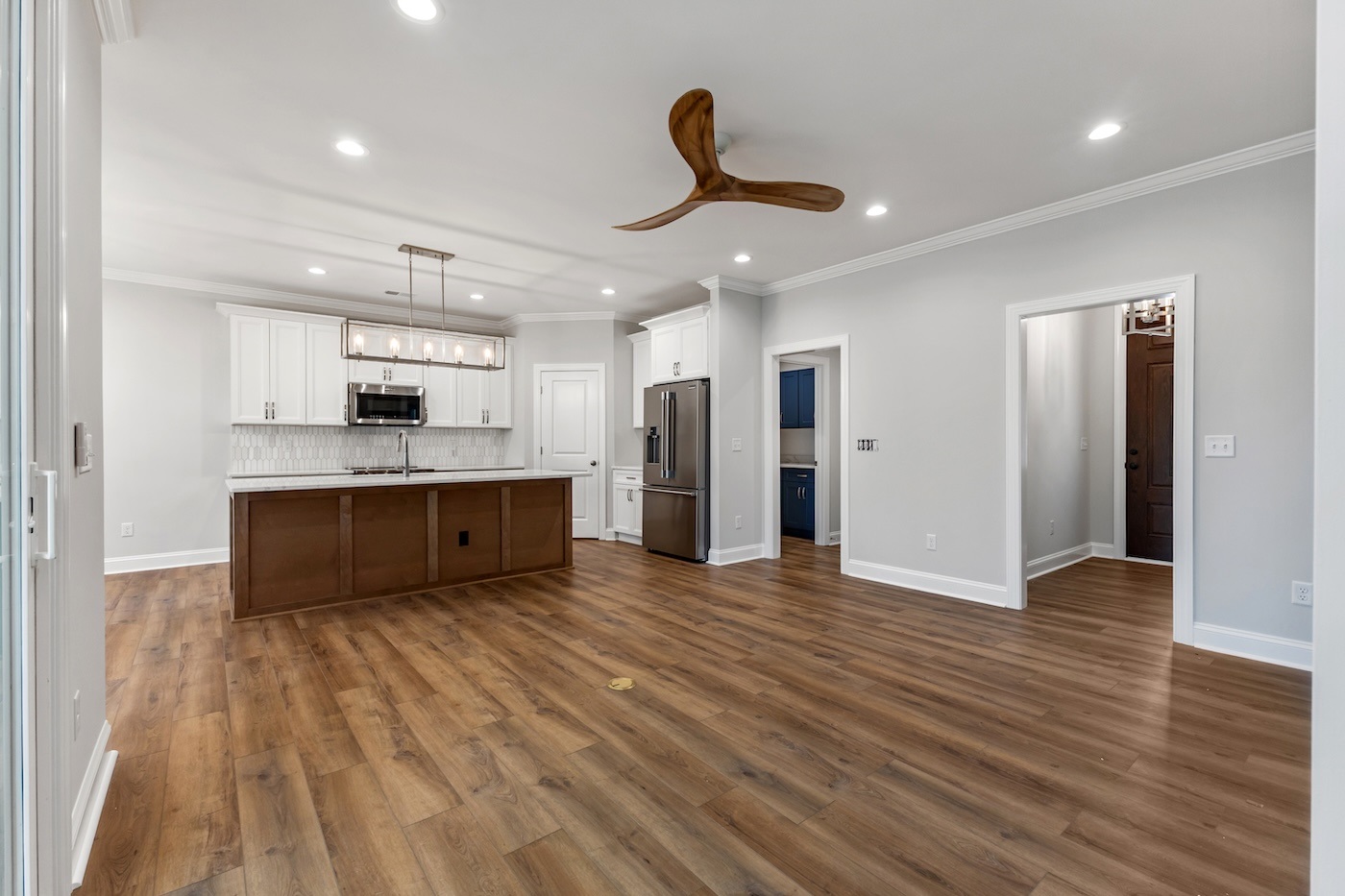
Room placement, wall locations, and how spaces connect all shape how the home functions. Changing these after construction usually involves structural work, which can be expensive and disruptive.
This is where thinking through daily routines becomes important. How you move through the home, where you spend time, and how spaces connect all influence whether the layout will continue to work.
If you want to better understand how these decisions are made early, how to design a custom home from scratch explains how layouts take shape during the planning stage.
Structural Elements Are Difficult to Modify
Beyond layout, structural components are some of the most difficult elements to change.
This includes:
-
Foundation type
-
Load-bearing walls
-
Roof structure
-
Ceiling heights
These are tied directly to how the home is built. Changing them later often means partial reconstruction.
This guide from Fine Homebuilding on structural framing basics gives a helpful look at how these elements are interconnected and why changes are complex once construction is complete:
Because of this, it is important to focus on getting the structure right from the beginning.
Plumbing, Electrical, and HVAC Systems
The systems behind the walls are another area that can be difficult to adjust later. Plumbing lines, wiring, and HVAC systems are installed early and run throughout the home. While small changes are possible, larger adjustments often require opening walls or ceilings.
This is especially important in kitchens, bathrooms, and laundry areas where layout and function are closely tied to these systems.
This breakdown on home plumbing systems shows how these systems are routed and why changes later can be disruptive.
Planning these areas carefully upfront helps avoid limitations later.
Window Placement and Natural Light
Window placement is often underestimated during planning.
The location and size of windows affect:
-
Natural light
-
Energy performance
-
Views
-
Privacy
Once installed, moving or resizing windows is not always simple, especially if it involves structural changes.
This article from Building Science Corporation on window placement and performance explains how window positioning impacts comfort and efficiency over time.
Taking time to think through light and orientation can make a lasting difference in how the home feels.
Exterior Materials and Overall Structure
Exterior materials are technically replaceable, but in practice, they are costly and disruptive to change.
Siding, roofing, and structural framing all contribute to how the home performs over time. Choosing durable materials early reduces maintenance and helps the home hold up longer.
This is especially important in coastal environments where moisture, wind, and salt exposure can affect materials more quickly.
A Simple Way to Think About What Is Hard to Change
|
Easier to Change Later |
Harder to Change Later |
|
Paint colors |
Layout and room placement |
|
Light fixtures |
Structural framing |
|
Cabinet hardware |
Foundation and roof structure |
|
Flooring |
Plumbing and electrical systems |
|
Decor and finishes |
Window placement |
Frequently Asked Questions
What is the hardest part of a home to change after building?
The layout and structural elements are typically the most difficult and expensive to change once construction is complete.
Can you change plumbing or electrical later?
Yes, but larger changes often require opening walls and can become costly and disruptive.
Are finishes worth worrying about early?
Finishes matter, but they are generally easier to update later compared to structural decisions.
How do I avoid making the wrong decisions early?
Focus on how the home will function long term and prioritize decisions that are difficult to change later.
Planning Ahead Makes the Difference
A well-planned custom home is not about getting every detail perfect. It is about focusing on the decisions that matter most. When layout, structure, and core systems are thoughtfully planned from the beginning, the home is much more likely to continue working well over time.
If you are starting to think through your home, reviewing real examples can help bring clarity. You can explore completed homes in the Gallery, review available Floor Plans, or learn more about the team on the About page.
Taking the time to plan these key elements early can make a significant difference in how your home performs for years to come.