
Why Two Custom Homes With the Same Square Footage Can Feel Completely Different
Quick Summary
- Two custom homes with the same square footage can feel very different depending on layout, flow, ceiling height, and how space is used.
- A well-designed home focuses on function and usability rather than just size, which often leads to better long-term comfort without needing more square footage.
- Brandon Construction Group can work with you to maximize space in your custom home design
Why Square Footage Doesn’t Tell the Full Story
Square footage is one of the first things people focus on when planning a home.
It feels like a clear way to compare options. Bigger should feel better.
In reality, square footage only tells you how much space exists. It does not tell you how that space functions.
This is why two homes with the same size on paper can feel completely different once you walk through them.
1. Layout and Flow Matter More Than Size
The way a home flows has a bigger impact than the total square footage.
Homes that feel comfortable tend to have clear movement between spaces and logical connections between the areas used most often.
When layout is not well thought out, even a larger home can feel awkward.
If you want to start visualizing how layout impacts flow, reviewing different floor plan options can help show how space is actually used.
2. Wasted Space vs Usable Space
Not all square footage is equal.
Some homes include space that rarely gets used. Long hallways, oversized rooms without purpose, or awkward layouts can increase square footage without improving how the home lives.
Homes that feel better over time tend to use space intentionally.
Every area serves a purpose, and the home feels efficient without feeling tight.
3. Ceiling Height and Proportion Change How a Home Feels
The volume of a space plays a big role in how it feels.
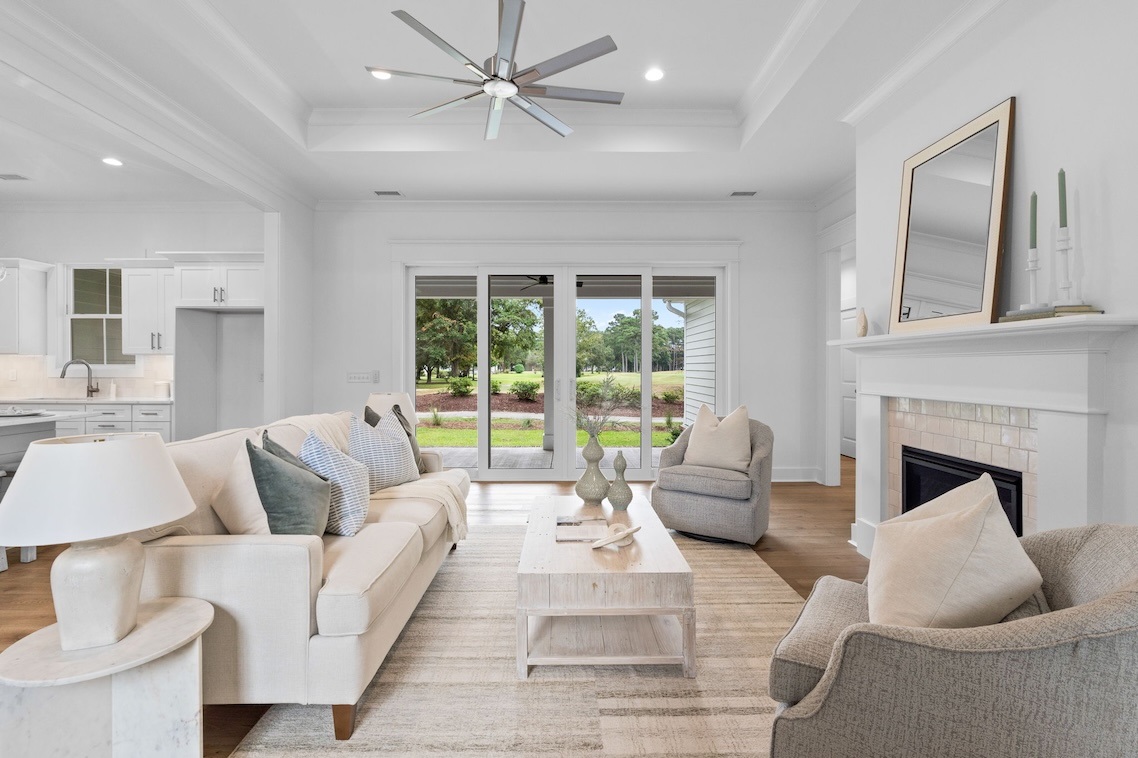
Ceiling height, room proportions, and how spaces open to one another can make a home feel larger or smaller without changing square footage.
A smaller home with better proportions often feels more open than a larger home without them.
This breakdown of how ceiling height affects perception of space gives a helpful visual explanation of why proportion matters.
4. Natural Light Makes a Bigger Difference Than Size
Natural light is one of the most important factors in how a home feels day to day.
Homes with well-placed windows tend to feel more open and comfortable, even if they are not larger.
Poor lighting can make even bigger spaces feel closed in.
5. Storage and Function Improve Livability
Homes that feel easy to live in usually have well-planned storage and practical function.
Without enough storage, even a large home can feel cluttered and harder to manage.
Looking at real examples can help here. Seeing how storage and layout come together in finished homes gives a better sense of what works.
6. How the Home Fits the Lot
Two homes with the same square footage can feel very different depending on how they sit on the lot.
Orientation, outdoor access, and how the home connects to the property all influence how the space feels.
This is often overlooked early, but it becomes more noticeable once you are living in the home.
A Simple Way to Think About It
|
Same Square Footage |
Different Experience |
|
Focus on size |
Focus on layout and flow |
|
Extra unused space |
Efficient, purposeful space |
|
Limited natural light |
Well-lit, open feeling |
|
Standard ceiling heights |
Thoughtful proportions |
|
Minimal storage |
Functional, organized living |
Frequently Asked Questions
Is it better to build a bigger home or a better-designed home?
In most cases, a better-designed home will feel more comfortable and functional than a larger home with a poor layout.
Why does my current home feel smaller than it is?
Layout, lighting, and ceiling height often have a bigger impact than square footage alone.
Can good design reduce how much square footage I need?
Yes. Efficient layouts and better use of space often allow homeowners to build smaller homes that still feel comfortable.
What should I focus on instead of square footage?
Focus on flow, function, natural light, and how the home will be used daily.
Designing a Home That Feels Right
The homes that feel best over time are not always the biggest.
They are the ones that are designed with intention.
When layout, light, proportion, and function are considered early, the home tends to feel more comfortable without needing additional space.
A well-designed home should feel right when you walk through it, not just look good on paper.