
How to Compare Custom Home Plans Without Focusing Only on Square Footage
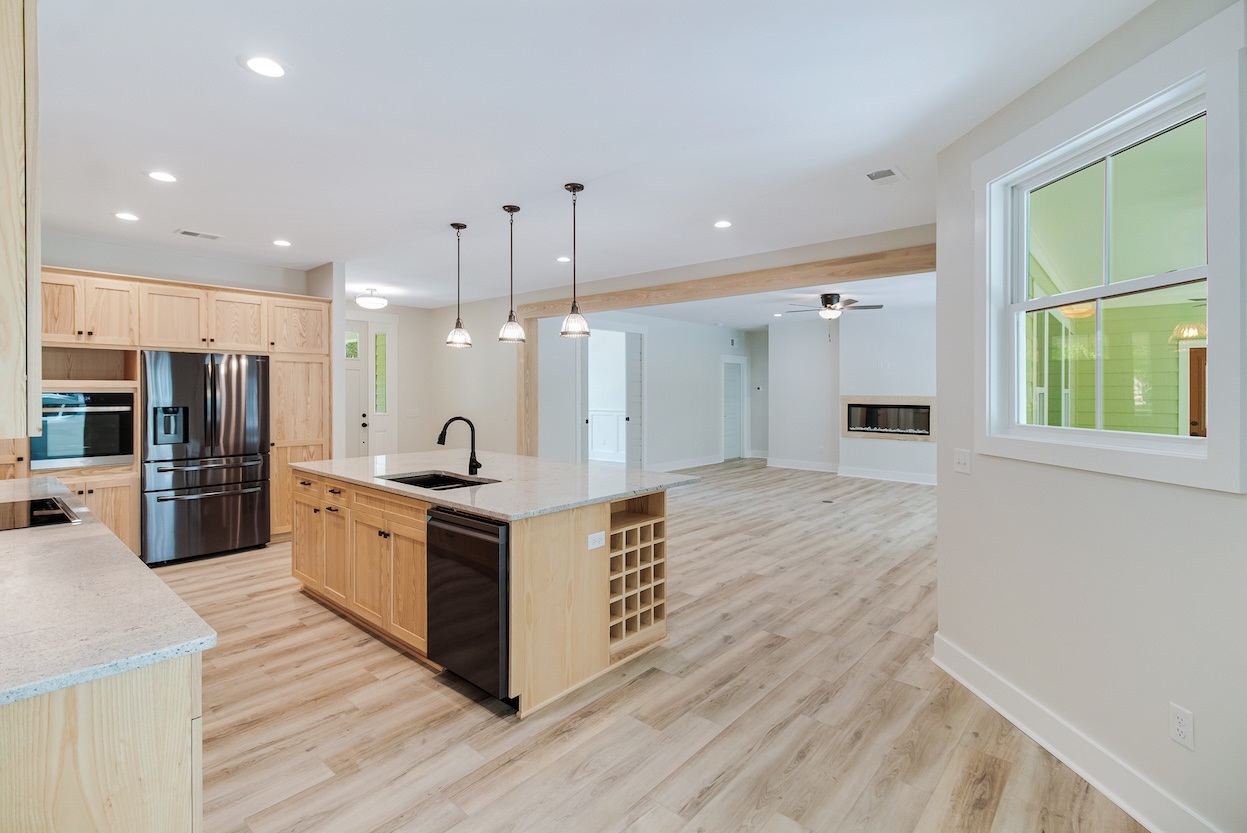
Quick Summary
-
When comparing custom home plans, square footage only tells part of the story.
-
The better comparison points are layout, storage, natural light, lot fit, room function, and how the home will live day to day.
-
Two plans with the same size can feel very different depending on how the space is organized, so the goal is not just to choose the bigger plan, but the one that fits your lifestyle, lot, and long-term priorities best.
Why Square Footage Is Only a Starting Point
Square footage gets a lot of attention because it is easy to compare.
A 2,400 square foot plan feels straightforward on paper. So does a 2,700 square foot plan. It is tempting to assume the larger one gives you more value.
But that is usually not how real life works.
Square footage tells you how much space is there. It does not tell you how well that space is used. It does not tell you whether the kitchen is in the right place, whether the bedrooms feel private enough, whether the storage is adequate, or whether the plan makes sense for your lot.
That is why people can walk through two homes with similar square footage and have very different reactions.
1. Compare How the Main Living Spaces Connect
One of the first things to look at is how the most-used spaces relate to each other.
The kitchen, living room, dining area, pantry, laundry, mudroom, and outdoor living areas tend to shape daily life more than almost anything else. If those spaces are disconnected or awkward, the plan can feel frustrating no matter how large it is.
A strong plan usually has a clear flow between the rooms you use the most. That does not always mean “open” in the broadest sense. It just means the home feels easy to move through and the spaces make sense together.
If you want to compare a few different starting points, our custom home plans page is a useful place to begin because it shows how BCG approaches plan selection before any modifications are made.
2. Pay Attention to Storage, Not Just Room Count
A lot of plans look good at first because the bedrooms, bathrooms, and main living areas are easy to spot.
What is easier to miss is whether the plan actually supports real life.
Where do coats, shoes, cleaning supplies, extra pantry items, seasonal decor, and everyday clutter go? Is there a useful drop zone near the entry? Is the laundry room large enough to function well? Is there enough storage near the kitchen and primary suite?
These are the things that often separate a home that looks good on paper from one that feels easy to live in later.
A plan with slightly less square footage but better storage can feel far more livable than a larger plan that leaves these details unresolved.
3. Look at How the Plan Would Sit on Your Lot
A plan should never be evaluated in isolation from the property.
A floor plan that works beautifully on one lot may feel forced on another. Width, depth, setbacks, orientation, drainage, driveway placement, and outdoor access all affect whether a plan actually makes sense once it is placed on the site.
That is one reason people can fall in love with a layout online and later realize it does not fit their lot nearly as well as they expected.
This is where comparing plans gets more serious. You are not just choosing the house. You are choosing how the house and lot work together.
If you want a supporting internal link here, what to look at before committing to a coastal lot fits naturally because it helps explain why lot conditions matter so much when evaluating plans.
4. Notice Which Rooms Add Function and Which Ones Just Add Size
Not all extra square footage improves the home.
Some plans use additional square footage in ways that truly improve comfort and function. Others add space that looks impressive on paper but does not change daily life much once you move in.
That is why it helps to ask simple questions.
Will this extra room be used often? Does this hallway need to be this large? Is the bonus room solving a real need or just increasing the size of the house? Does the primary suite feel comfortable, or is it simply oversized?
A good plan usually feels intentional. The rooms are there for a reason, and the extra space serves a purpose.
5. Compare the Plan to How You Actually Live
This is where the best decisions usually happen.
A plan should not only be compared by bedrooms, bathrooms, and square footage. It should be functional for your routine.
Do you need first-floor living? Do you host overnight guests often? Do you work from home? Do you want the kitchen to feel more connected or more separate? Do you need easier access between the garage, pantry, and kitchen? Do you want better privacy between the primary suite and secondary bedrooms?
A plan that checks fewer boxes on paper can still be the better fit if it supports your daily life more naturally.
If you want to show how that conversation continues into design, what that early design process usually looks like is a natural supporting link because it helps explain how homeowners move from general preferences to a plan that truly fits.
6. Use Real Plan Examples Instead of Comparing Everything Abstractly
One of the easiest ways to compare plans more clearly is to stop thinking about them in general terms and start looking at real examples.
When you compare actual plans, you can see how different footprints create different experiences. A wider plan may create stronger one-level flow. A different layout may prioritize porch connection, garage placement, or bedroom separation in a way that fits your lifestyle better.
For example, BCG’s live plan pages show very different starting points, which is useful if you want to compare more than just square footage.
If you want to link to a specific example, one of the larger farmhouse-style options works well here.
A Simple Way to Compare Plans
|
Instead of comparing… |
Compare… |
|---|---|
|
Total square footage |
How the layout supports daily life |
|
Room count only |
Whether the rooms are in the right places |
|
Open concept vs closed concept |
How the spaces connect and function |
|
Bigger rooms |
Better storage and flow |
|
What looks best on paper |
What fits your lot and lifestyle best |
Frequently Asked Questions
Is a larger custom home plan always better?
Usually not. A larger plan can still feel less functional if the flow, storage, or room placement is weak.
What matters more than square footage when comparing plans?
Layout, storage, light, lot fit, and how the home supports everyday life usually matter more.
Should I choose a plan before buying a lot?
Sometimes, but the lot often changes which plans make the most sense, so it is important to evaluate both together.
Can two plans with the same square footage feel completely different?
Yes. Room proportions, circulation, light, and storage can make one feel much better than the other even if the size is similar.
Choosing the Plan That Actually Fits
The best custom home plan is not always the biggest one or the one that looks most impressive at first glance.
It is the one that makes sense for how you live, how your lot works, and what you are trying to accomplish with the home long term.
A lot of confusion clears up once you stop comparing plans by square footage alone and start comparing them by flow, function, and fit.
And if you are trying to decide which direction makes the most sense for your lot and lifestyle, contact us here to start the conversation.