
What Makes a Custom Home Bedroom Feel More Comfortable
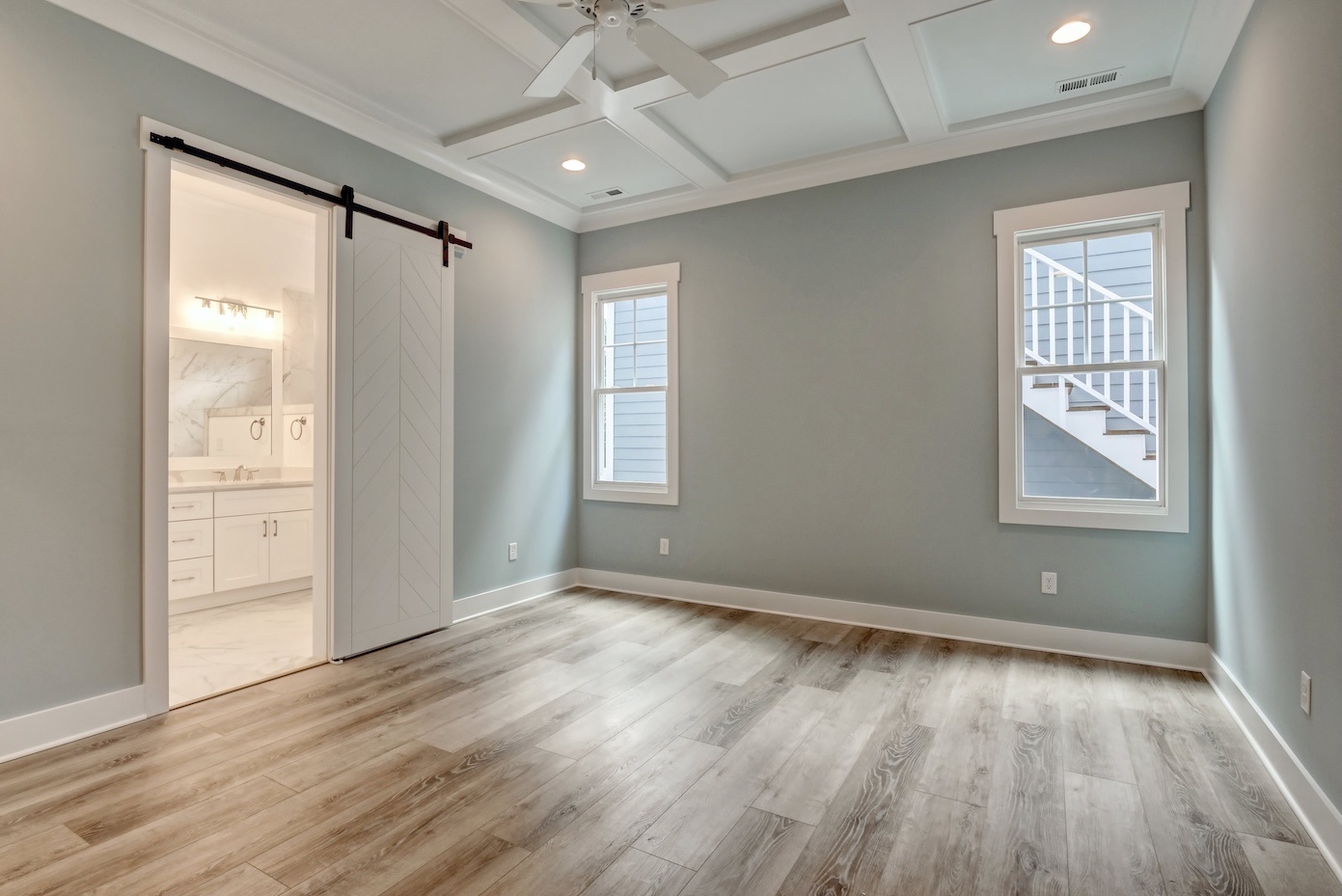
Quick Summary
-
A comfortable bedroom is created through planning, not decoration.
-
In a custom home, bedroom comfort comes from thoughtful layout, consistent temperature and humidity control, balanced natural light, sound separation, smart storage, and material choices that support rest and long-term durability.
-
When these elements are designed together, the bedroom becomes a space that improves sleep quality and daily well-being instead of working against it.
Why Bedroom Comfort Deserves More Attention
Bedrooms are often designed last, yet they are where homeowners spend the most uninterrupted time.
Poor sleep affects energy, health, and overall satisfaction with the home. Small design missteps like noisy walls, uneven temperatures, or poor light control can quietly create long-term frustration.
In coastal North Carolina, comfort is even more dependent on good planning. Heat, humidity, and seasonal weather shifts mean bedroom design must account for more than appearance.
A custom home gives you the opportunity to design for comfort from the ground up instead of relying on after-the-fact fixes.
For homeowners planning a long-term or forever home, bedroom comfort should be treated as a priority space, not an afterthought.
How Bedroom Location and Layout Shape Comfort
Where the bedroom sits within the home has a direct impact on how it feels day to day.
A comfortable custom bedroom is typically:
-
Separated from kitchens, living rooms, and TVs
-
Away from garages and mechanical rooms
-
Designed with clear furniture zones and walking paths
In many custom homes, the primary bedroom is placed on a quieter side of the house, sometimes with closets or bathrooms acting as buffers from shared living spaces.
This improves both sound control and privacy.
Hallway length, door placement, and ceiling height also influence how calm or exposed a bedroom feels. These decisions are much easier to make during the design phase than after construction begins.
You can see how different layouts influence bedroom placement by browsing recent projects on our website.
Why Temperature and Humidity Control Matter So Much
Thermal comfort is one of the biggest drivers of sleep quality.
According to the U.S. Department of Energy, bedrooms benefit from cooler nighttime temperatures and consistent airflow that does not blow directly onto occupants. In coastal areas, humidity control is just as important as temperature.
A well-designed custom bedroom often includes:
-
HVAC zoning so bedrooms are conditioned separately from living spaces
-
Proper insulation to reduce temperature swings
-
Vent placement designed around bed location
-
Dehumidification strategies appropriate for coastal climates
ENERGY STAR notes that properly sealed and insulated homes maintain more stable indoor conditions, which directly affects comfort and energy use.
ASHRAE, the organization that sets indoor comfort standards, also emphasizes humidity control as a key factor in perceived comfort, especially in warm, humid climates.
These systems are far more effective when planned during design rather than retrofitted later.
How Light Impacts Sleep and Comfort
Natural light can either improve or disrupt bedroom comfort depending on how it is managed.
A comfortable bedroom balances:
-
Access to daylight without overheating the room
-
Window placement that avoids harsh afternoon sun
-
The ability to fully darken the space for sleep
The CDC notes that light exposure directly affects circadian rhythm and sleep quality. Bedrooms that cannot be darkened at night or that receive excessive early morning light may interfere with restful sleep.
In a custom home, window orientation, size, and shading can be adjusted to the lot and sun path.
Overhangs, window placement, and glazing choices all help manage heat and glare while still allowing natural light.
Layered lighting is equally important. Soft ambient lighting, bedside reading lights, and minimal overhead glare make the bedroom feel calmer in the evening and more functional overall.
Why Sound Control Is a Major Comfort Factor
Noise is one of the most common reasons bedrooms feel less comfortable than expected.
Good sound control starts with planning:
-
Locating bedrooms away from high-traffic areas
-
Avoiding shared walls with plumbing-heavy spaces
-
Adding insulation between floors in two-story homes
-
Using solid-core doors instead of hollow ones
Custom homes allow you to make these decisions before walls are built. Once framing is complete, sound issues become far more difficult and expensive to address.
Quiet bedrooms support better sleep and help the space feel more private and restorative.
Storage, Organization, and Mental Comfort
Visual clutter affects how a room feels just as much as physical comfort.
Bedrooms feel more comfortable when:
-
Closets are sized for real wardrobes, not minimum standards
-
Storage is planned before furniture placement
-
Laundry flow reduces piles and overflow
Custom closet layouts and thoughtful storage planning reduce visual noise. When everything has a place, the bedroom feels calmer, easier to maintain, and more enjoyable to use every day.
If you are early in planning, reviewing floor plans can help visualize how storage impacts bedroom comfort:
https://www.brandonconstructiongroup.com/floor-plan/
How Materials and Finishes Influence Comfort Over Time
The materials in a bedroom affect how it feels immediately and how it performs over years of use.
Comfort-focused material choices often include:
-
Flooring that is quiet and warm underfoot
-
Paint colors that soften light rather than amplify glare
-
Trim and millwork that resist humidity-related movement
In coastal environments, selecting materials that tolerate moisture helps prevent issues like swelling doors, cupped flooring, or peeling finishes. These problems do not just affect appearance. They affect daily comfort and long-term satisfaction with the space.
The U.S. Department of Energy also notes that material choices, insulation, and air sealing contribute to overall indoor comfort and long-term efficiency.
https://www.energy.gov/energysaver
Bedroom Comfort Comparison Table
Frequently Asked Questions
Does a larger bedroom automatically feel more comfortable?
No. Layout, sound, temperature control, and light management matter more than square footage.
Is bedroom comfort mostly about finishes and décor?
Finishes help, but true comfort starts with layout, airflow, humidity control, and privacy.
Can comfort issues be fixed after the home is built?
Some improvements can be made later, but layout, window placement, and HVAC zoning are best handled during design.
Are coastal bedrooms harder to keep comfortable?
They can be if not designed properly. With the right planning, coastal bedrooms can feel just as comfortable as inland homes.
Designing a Bedroom That Truly Feels Comfortable
A comfortable bedroom is the result of dozens of intentional decisions made early. Layout, climate control, light, sound, storage, and materials all work together to support rest and long-term livability.
At Brandon Construction Group, we help homeowners think through these details during the design phase so bedrooms feel calm, functional, and comfortable from the first night onward.
If you are planning a custom home and want spaces designed around how you actually live, you can: