
What to Consider Before Buying Land to Build a Home
Quick Summary
-
Before buying land to build a home, it’s important to evaluate more than just location and price.
-
Lot conditions such as zoning, utilities, soil, drainage, access, and long-term buildability can significantly affect design options, construction complexity, and overall cost.
-
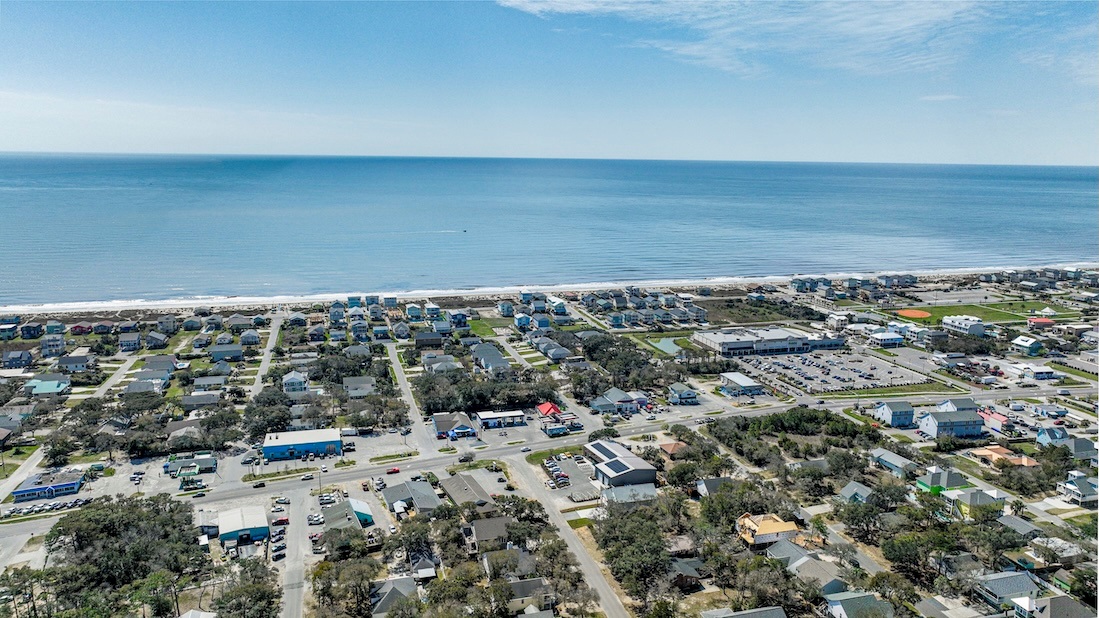
In coastal North Carolina especially, careful lot evaluation helps avoid surprises and ensures the land truly supports the kind of custom home you want to build.
Why Land Decisions Matter More Than Most People Expect
Buying land often feels like the first exciting step toward building a custom home. But the lot you choose will quietly influence almost every design and construction decision that follows.
Two lots with the same acreage and similar price can lead to very different building experiences. One may support a straightforward design and efficient construction. The other may require additional engineering, higher foundation costs, or design compromises that aren’t obvious at first glance.
That’s why land selection is not just a real estate decision. It’s a building decision.
Start With Zoning, Restrictions, and Build Requirements
Before falling in love with a property, it’s critical to understand what you’re actually allowed to build.
Key items to review early include zoning classifications, setback requirements, height limits, and minimum square footage rules. Some lots are also subject to neighborhood covenants or architectural guidelines that influence exterior style, rooflines, or materials.
In planned communities or neighborhoods, design standards can affect how custom your home can truly be. Understanding these constraints early helps avoid frustration later in the design process. This kind of early planning is discussed in our design process.
Utilities and Access Are Not Always a Given
One of the most common surprises for buyers is discovering that a lot does not have easy access to utilities.
Before purchasing land, confirm the availability and distance of:
-
Water
-
Sewer or septic
-
Electricity
-
Gas
-
Internet and communications
Extending utilities can add meaningful cost and time to a project. Septic systems may require additional soil testing or limit where the home can be placed on the lot.
Access matters as well. Driveway length, road frontage, and construction access can affect both build cost and long-term convenience.
Soil Conditions and Drainage
What’s under the ground matters just as much as what you see on the surface.
Soil type influences foundation design, grading requirements, and drainage strategies. Poor drainage or unstable soils may require additional engineering or site preparation before construction begins.
In coastal North Carolina, drainage planning is especially important due to heavy rainfall and high water tables. The Federal Emergency Management Agency emphasizes proper site grading and water management as key factors in reducing long-term risk for residential construction.
Understanding soil and drainage conditions early helps set realistic expectations for both design and budget.
Flood Zones and Coastal Considerations
Many coastal lots fall within designated flood zones, which can influence foundation design, elevation requirements, insurance costs, and long-term resilience.
Being in a flood zone does not automatically make a lot unsuitable for building, but it does require thoughtful planning. Elevation strategies, foundation systems, and material choices all become part of the design conversation.
The North Carolina Floodplain Mapping Program provides flood maps that help identify risk levels and regulatory requirements. Reviewing this information before purchasing land helps avoid unexpected design changes later.
Lot Shape, Orientation, and Topography
The shape and slope of a lot affect how efficiently a home can be designed and built.
A narrow or irregularly shaped lot may limit layout options or require a more vertical design. Sloped lots can offer views but may also require additional grading, retaining walls, or stepped foundations.
Orientation matters as well. Sun exposure influences natural light, heat gain, and outdoor living spaces. A well-oriented lot can enhance comfort and energy efficiency without increasing construction cost.
How the Lot Influences Home Design
The best custom homes are designed around the lot, not forced onto it.
Lot characteristics influence:
-
Home placement
-
Floor plan layout
-
Outdoor living areas
-
Garage orientation
-
Privacy and views
Trying to adapt a plan to a lot that doesn’t support it often leads to compromises. Evaluating the lot early allows design decisions to work with the land instead of against it.
You can see how thoughtful lot planning shapes finished homes in our portfolio
Long-Term Livability and Surroundings
It’s easy to focus on the lot itself and overlook what surrounds it.
Consider how the area may change over time. Nearby undeveloped land, future road expansions, or neighborhood growth can affect privacy and noise levels. Drainage patterns from adjacent properties can also influence long-term performance.
Thinking beyond the property line helps ensure the home remains comfortable and enjoyable for years to come.
Cost Implications Beyond the Purchase Price
The price of the land is only part of the overall investment.
Additional costs may include:
-
Clearing and grading
-
Utility extensions
-
Soil testing and engineering
-
Driveway construction
-
Foundation adjustments
These factors are often discussed alongside broader cost planning topics that will help you determine the total cost to build a custom home in North Carolina in 2026.
Understanding how land affects total project cost helps avoid budget surprises later.
When to Talk to a Builder About Land
Many homeowners wait until after purchasing land to speak with a builder. In reality, early input can be valuable before a purchase is finalized.
A builder can help evaluate:
-
Whether the lot supports your goals
-
Potential design limitations
-
Site-related cost considerations
-
Red flags that may not be obvious
Land Evaluation Comparison Table
Frequently Asked Questions
Should I buy land before talking to a builder?
It’s often helpful to talk with a builder early, even before purchasing land, to understand potential challenges.
Is cheaper land always a better deal?
Lower purchase price can sometimes mean higher site preparation or construction costs.
Are coastal lots harder to build on?
They often require more planning due to drainage, elevation, and environmental considerations.
Can any house plan work on any lot?
No. Lot characteristics play a major role in what designs are practical.
Making a Confident Land Purchase Decision
The right piece of land supports your design goals, budget, and long-term comfort. Taking time to evaluate zoning, utilities, soil, drainage, and surroundings helps ensure the land works for the home you want to build.
At Brandon Construction Group, we help homeowners think through land decisions early so their custom home plans start on solid ground.
If you are considering purchasing land or want guidance before making a decision, you can:
Choosing the right land is one of the most important steps in building a custom home. The right preparation makes everything that follows smoother and more rewarding.