
How to Choose the Right Exterior Materials for a Custom Home in NC
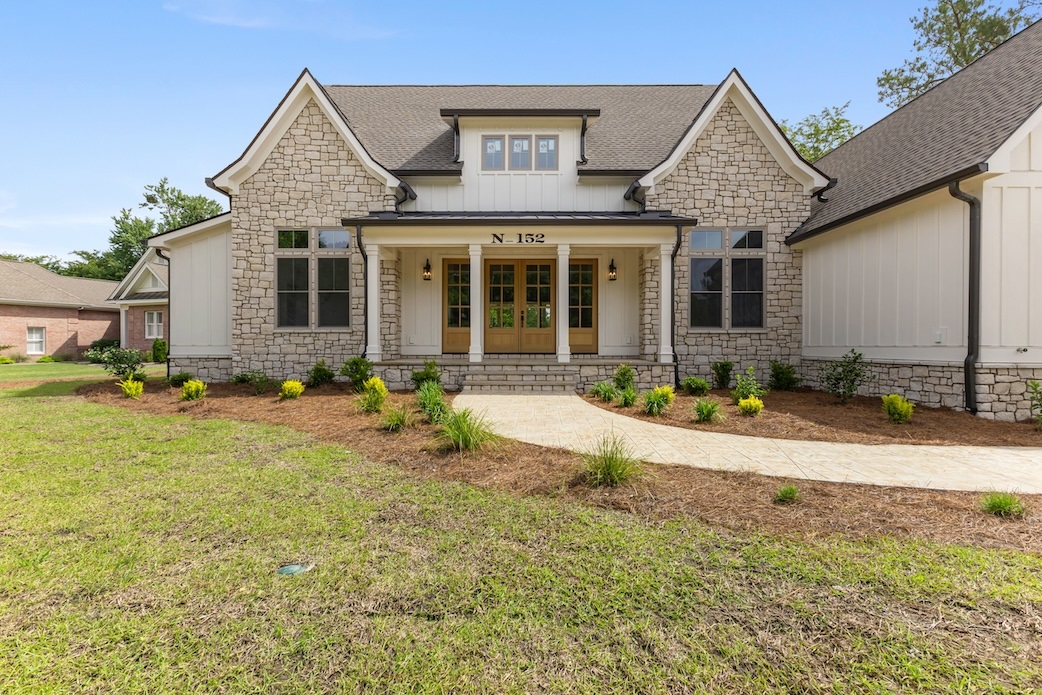
Quick Summary
-
Choosing exterior materials for a custom home in North Carolina is about more than curb appeal.
-
The right combination of siding, roofing, trim, windows, fasteners, and moisture-management details can affect maintenance, durability, comfort, and long-term value for years to come.
-
In coastal and southeastern North Carolina especially, humidity, salt air, heavy rain, and storm exposure make it important to choose materials that not only look right for the home, but also hold up well in the environment around them.
Why Exterior Material Decisions Matter Early
A lot of people think exterior materials are mostly a finish decision.
In reality, they affect much more than appearance.
They influence how the home handles moisture, how often it needs to be repainted or repaired, how much maintenance it requires, and how well it performs in a North Carolina climate that can bring humidity, wind-driven rain, and, in some areas, salt exposure.
That is why these decisions are easier to make when they happen early, while the design, budget, and site conditions are still being considered together. It helps to understand how a custom home starts to take shape during design because exterior materials usually work best when they are part of the larger planning conversation, not something chosen at the end.
1. Start With the Climate, Not Just the Look
The first question is not, “What do I like best?”
It is, “What will hold up well where I’m building?”
A home in North Carolina may deal with very different conditions depending on the location. In coastal areas, that can mean salt air, higher humidity, stronger winds, and more driving rain. In other parts of the state, the pressure may be more about sun exposure, seasonal swings, and long-term maintenance.
That is why it helps to think about how homes are designed to perform in coastal weather and to look at which siding options tend to perform best in coastal North Carolina.
2. Siding Should Balance Durability, Maintenance, and Style
Siding usually gets the most attention in this conversation, and for good reason.
It covers most of the home, shapes the visual style, and takes a lot of abuse over time. But the best siding choice is not always the one that looks the best in a photo. It is the one that fits your maintenance expectations, your budget, and the level of weather exposure the home will face.
For some homeowners, low maintenance is a top priority. For others, the appearance and texture of the material may matter more as long as they understand the upkeep that comes with it.
That is why it helps to compare the best siding options for coastal homes in North Carolina
before making the call. It can also help to look at completed homes in the portfolio
to see how different material combinations actually look once they are built.
3. Moisture Management Matters as Much as the Material Itself
A lot of people focus on the visible material and forget that the wall system behind it matters just as much.
In North Carolina, especially in humid or coastal areas, moisture control is one of the biggest factors in how well the exterior holds up over time. Even a durable siding product can underperform if the flashing, drainage plane, or installation details are weak.
That is one reason it helps to understand how moisture gets into exterior walls and how proper flashing helps prevent it.
This part of the decision may not be the most exciting, but it has a lot to do with whether the exterior ages well or becomes a source of ongoing maintenance.
4. Roofing, Trim, and Hardware Should Be Part of the Same Conversation
The siding should not be chosen in isolation.
Roofing, trim, shutters, fasteners, porch details, and exposed hardware all need to work together. In coastal environments especially, some of the fastest problems show up not in the siding itself, but in the trim details, corrosion-prone metals, or spots where water and air are allowed to work their way in.
That is why the exterior should be treated like a full system.
It also helps to think about what parts of a custom home are hardest to change once the house is finished
because many exterior decisions are much easier to get right during design than to revisit later.
5. The Right Material Depends on How Long You Plan to Stay
Not every homeowner needs to choose materials the same way.
If this is a long-term or forever home, lower maintenance and durability usually rise in importance. If you are building with a shorter time horizon in mind, you may weigh appearance and upfront cost differently. Neither approach is wrong, but the decision should be honest.
This is where a lot of clarity comes from asking a simple question: what do I want to still feel good about ten years from now?
Thinking through what homeowners usually value most over time
can help keep that question grounded. Exterior materials rarely stay “just aesthetic” for very long. Over time, they become a maintenance and performance decision too.
6. Budget Matters, But So Does the Cost of Owning the Material Later
This is where people sometimes get sideways.
A lower-cost material upfront does not always mean lower cost over time. Repainting, repairs, moisture issues, corrosion, or shorter replacement cycles can change the math.
That does not mean the most expensive option is automatically the right one. It means the true cost should include how the material is likely to perform, how often it may need attention, and whether it fits the expectations you have for the home.
That is why it helps to think through which decisions tend to influence the cost of a custom home early
and how to prioritize features without regretting the budget later.
7. Exterior Materials Should Fit the Architecture of the Home
A material can be durable and still feel wrong for the house.
That is another reason this decision works better when it is connected to the overall design process. The right exterior materials should support the architecture, not fight it. A more modern coastal home may want cleaner lines and simpler transitions. A farmhouse or more traditional design may want more texture, trim detail, or contrast.
This is where reviewing what it is like to work through design choices with a custom home designer can be helpful. Good design does not just pick a strong material. It puts the right material in the right context.
8. Exterior Materials Should Fit the Lot Too
The lot affects this decision more than people expect.
A home with more direct exposure to wind, standing water, harsh afternoon sun, or salt air may need a different material strategy than a more protected lot farther inland. Tree cover, drainage, and orientation can all change how the exterior ages.
That is one reason it helps to think through what to look for before buying a coastal homesite and how the lot and the home should be evaluated together.
A Simple Way to Think About Exterior Material Choices
|
If you prioritize... |
You are more likely to get... |
|
lowest upfront cost only |
more maintenance later |
|
durability and detailing |
better long-term performance |
|
appearance only |
possible mismatch with climate or budget |
|
system thinking |
better siding, trim, flashing, and roof coordination |
|
the lot and climate |
materials that fit the site, not just the style |
Frequently Asked Questions
What exterior material matters most on a custom home?
Usually siding gets the most attention, but siding, trim, roofing, hardware, and moisture-management details all work together. The best result usually comes from treating the exterior as a system.
Do coastal homes in North Carolina need different materials?
Often yes. Salt air, humidity, wind, and heavy rain can all affect how materials perform over time, which is why coastal homes usually benefit from more durable and lower-maintenance choices.
Is low-maintenance always the best option?
Not always. It depends on your goals, your budget, and how long you plan to stay. But homeowners building long-term homes often find that durability matters more over time than initial appearance alone.
Should exterior materials be chosen during design or later?
Usually during design. Exterior materials affect both the budget and the architectural direction of the home, so they are easier to choose well when they are part of the planning process early.
A Better Exterior Usually Starts With Better Planning
The right exterior materials for a custom home in North Carolina are not just the ones that photograph well. They are the ones that fit the home, the lot, the climate, and the way you want to live with the house over time.
That is why these decisions usually go better when they happen early, while design, budget, and site conditions are still being weighed together. If you are starting to think through those choices now, it helps to look at floor plans that give you a realistic starting point
And if you want to talk through what materials make the most sense for your lot, design goals, and maintenance expectations, the best place to start that conversation is usually before those exterior decisions start getting made too late.